Spoiler Alert – This may have been a Depression-Era Scam
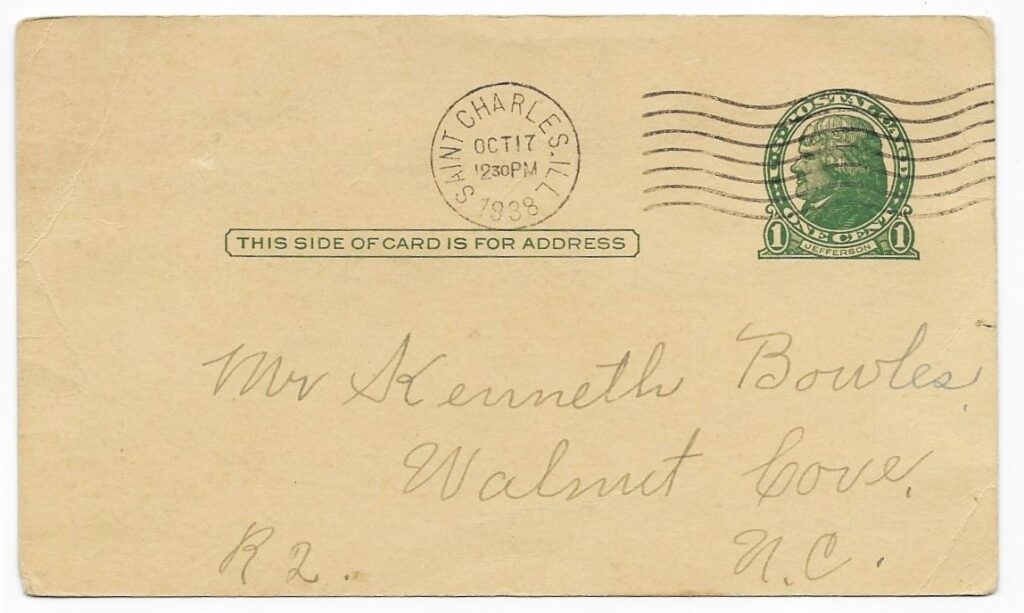
Mr. Kenneth Bowles lived in Walnut Cove, a town in Stokes County of northwest North Carolina.
The area, about 23 miles northwest of Winston-Salem, was first settled by Europeans in the mid-18th century.
In the 19th century, the town was a railroad center, and boasted a roller mill in the early 20th century.
https://en.wikipedia.org/wiki/Walnut_Cove,_North_Carolina
Today, the area is known for an annual “Songfest”
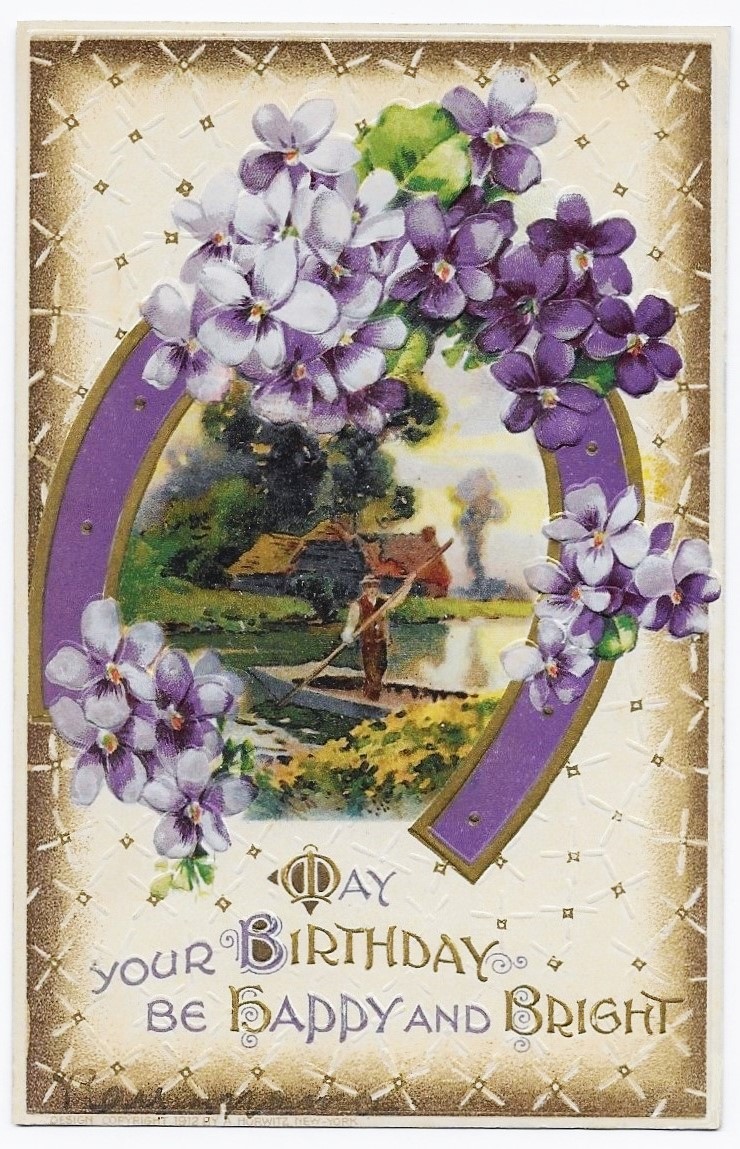
In October of 1938, Kenneth received a postcard from the “The Best Gardens”.
The solicitation was mailed from St. Charles, a city on the Fox River in northeast Illinois.
About 35 miles west of Chicago, St. Charles was relatively isolated in its early years as it rejected a train line to the center of town.
https://en.wikipedia.org/wiki/St._Charles,_Illinois
It was connected to an extensive streetcar system that linked nearby communities.
Today, it is a center of meat-packing industries.
+ + + + + +
The postcard had been addressed “by a friend” who identified Mr. Bowles as a “flower lover”.
It seems that the firm of “The Best Gardens” sold bulbs and seeds – and marketed their products through peer-to peer gardeners.
We have seen other postcard stories related to other creative marketing strategies – consumer “clubs”, pyramid sales arrangements, and elaborate coupon-collecting enticements.
+ + + + + +
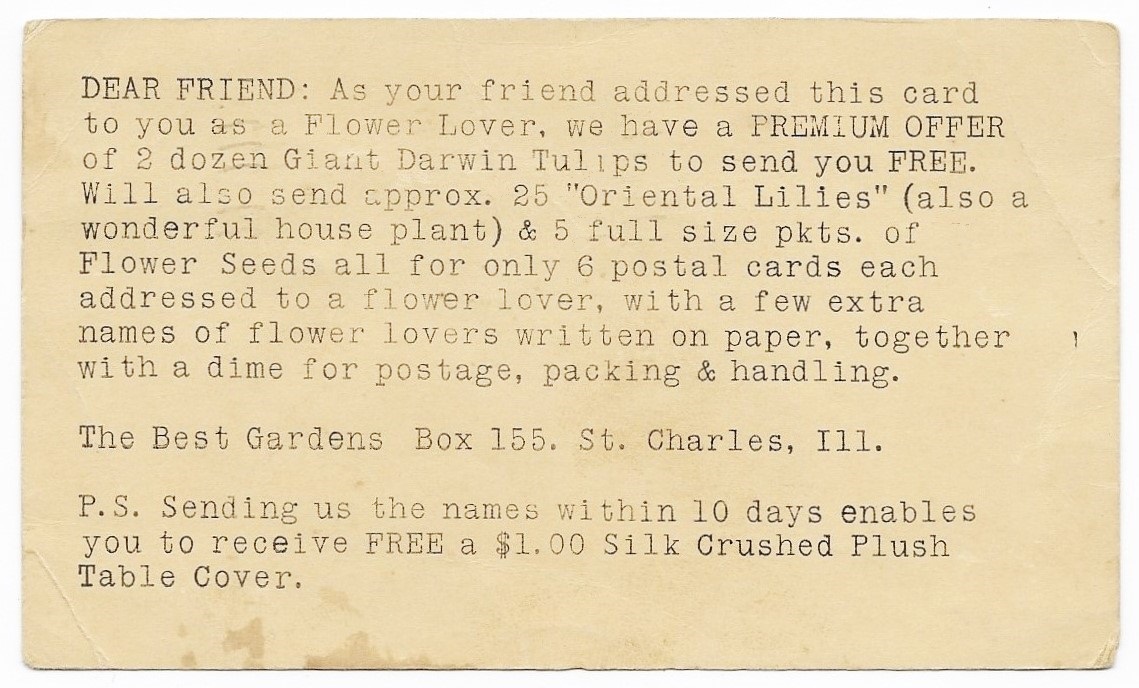
On the face of the postcard, a typewritten offer sets for the terms of the deal.
Kenneth will address six postal cards to friends who are “flower lovers”, add “a few extra names of flower lovers”, and enclose a dime for shipping and handling.
In return, The Best Gardens will send:
2 dozen giant Darwin Tulips
25 oriental lilies
Five full-sized packets of flower seeds
If Kenneth returns the postal cards within two days, The Best Gardens will also send a “Silk Crushed Plush Table Cover”.
+ + + + + +
I don’t know the comparative cost of bulbs and seed packets in 1938, but this appears like a good deal – unless one’s friends object to being added to a company mailing list.
Unfortunately, we do not know if Kenneth added more hand-addressed postal cards to the marketing program of The Best Gardens.
If he did, one hopes that his residence was adorned with bright tulips, lilies, and other flowers.
A Google summary finds that the good deal may not have been genuine:
“In 1938, “The Best Gardens” was a trade name for business operated by Globe Seed Company.
Managed by the Pike brothers, the business drew the attention of the Federal Trade Commission for deceptive sales tactics”